2027 · The city
A city written down before it was built.
Jaipur turns three hundred in 2027.
The residency lands in that year.
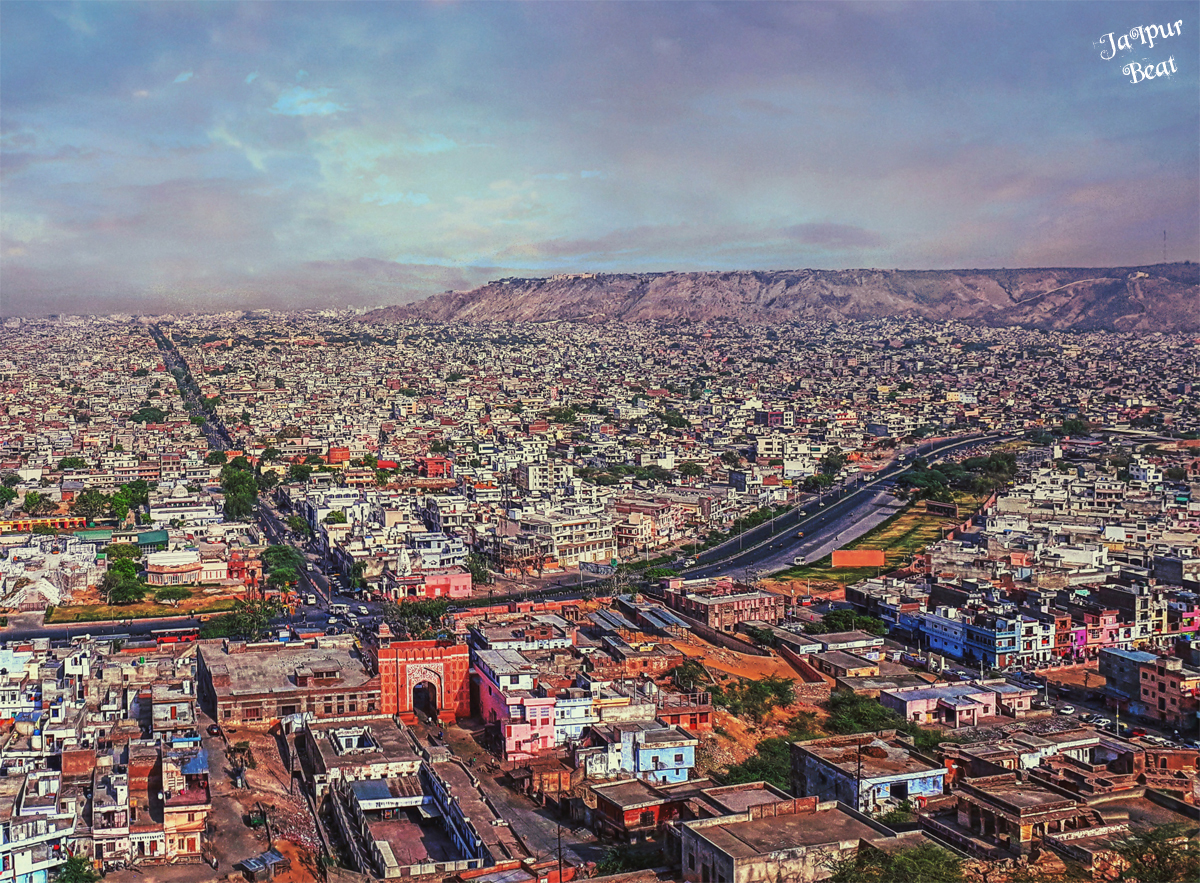
Founded in 1727 and laid out on a grid of nine blocks, with street widths, market frontages and craft quarters set in advance, Jaipur is one of the few cities in the world that existed on paper before it existed on ground. Three centuries later it is still being read against its own plan.
Why this city
The oldest version of the question we carry.
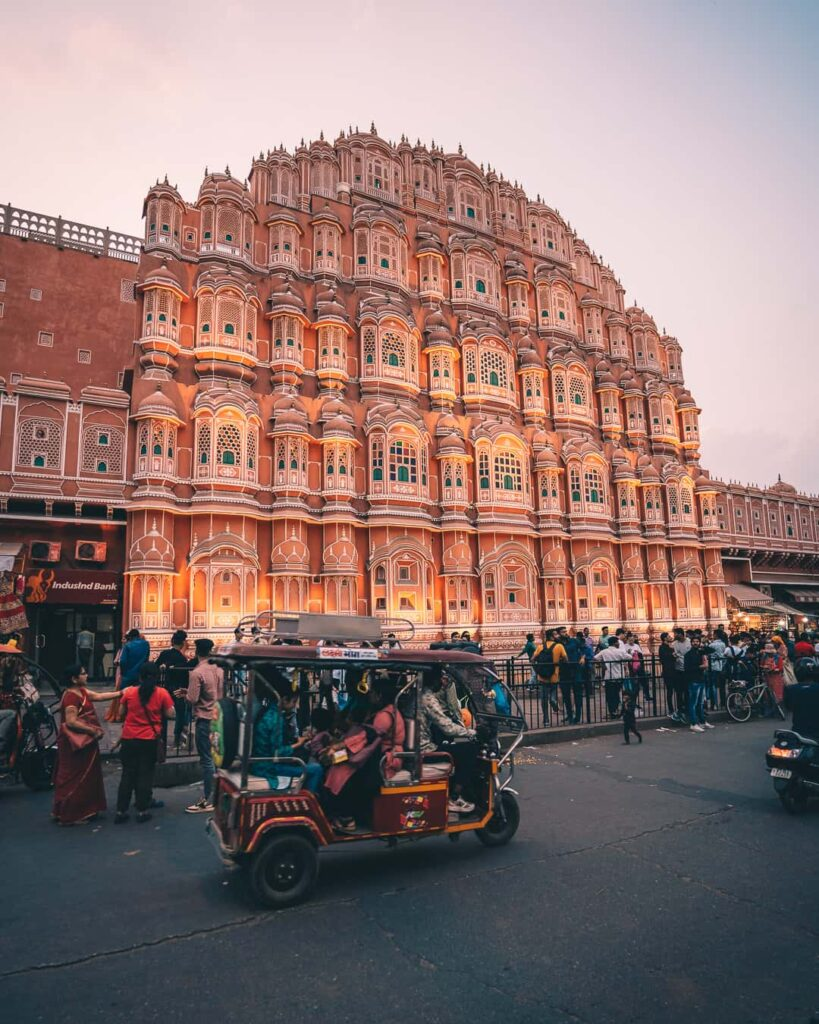
Jai Singh II set the rules first: a grid, a hierarchy of streets, a place for each trade, an astronomical instrument at the centre of it. The intention was total. What arrived over three hundred years was everything the plan could not hold, and that is the interesting part.
The city today runs at a pitch no drawing anticipated. Bazaars work the frontages they were given, and a great deal else besides. Traffic, tourism, craft, festival and daily trade all press against the same rectangle. The plan still legible underneath is what makes Jaipur worth reading in its three hundredth year.
This is the residency’s question in its oldest form, which is why the chapter goes there in 2027.
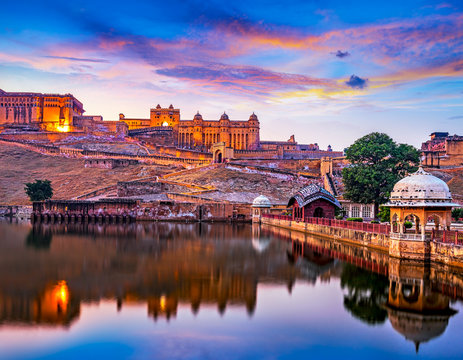
For centuries the court held the ridge at Amber, a city that grew the way cities grow, around water and defence and habit. In 1727 it came down onto the plain and wrote a city instead of growing one. Everything Jaipur is famous for follows from that single decision to author a place in advance.
The idea
In tension to intention, every place is held between what it already is and what it imagines for itself.
Jaipur is three hundred years in the making. Dhun, on its edge, is still taking shape. In 2027 the cohort works across both.
Scripting future histories
Jaipur was written before it was built. On its edge, that is happening again.
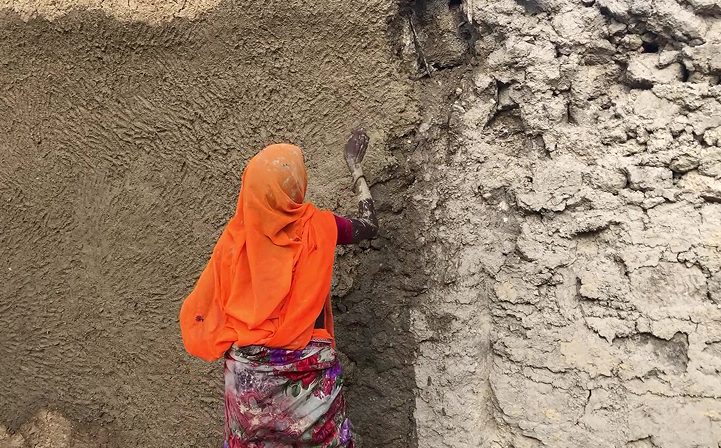
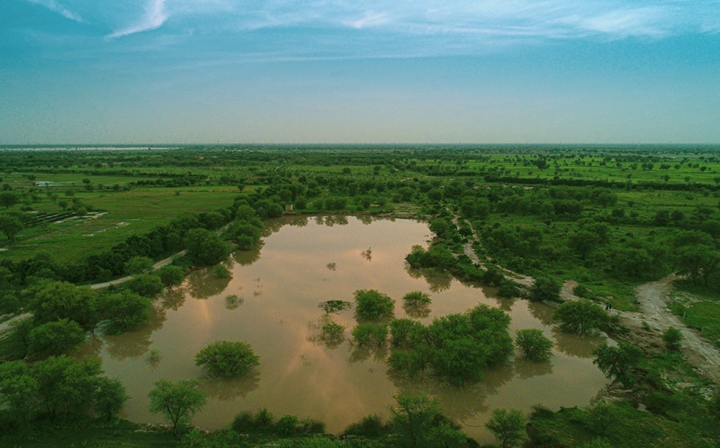
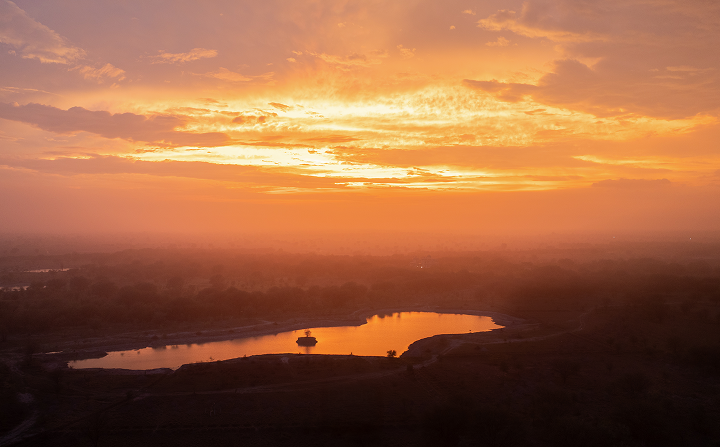
Dhun sits on Jaipur’s edge, inside Jaipur Urban, on land that carried very little. Three centuries apart, two acts of the same authorship, both setting down what a place will be before people arrive.

Hiding in plain sight
On Jaipur’s edge.
Five hundred acres for around 8,500 people. Water restored, trees in the hundreds of thousands, streets arriving one at a time, while the city reaches the same ground from the other direction. The School of Pursuits and Passions holds a season inside the 2027 chapter, building a way of learning out of the place itself, ending in a commissioned public artwork for the neighbourhood.